
Secured or unsecured credit cards: which option suits you best?
When looking for the ideal credit card, you’ll often come across the phrase “secured vs unsecured credit cards”.
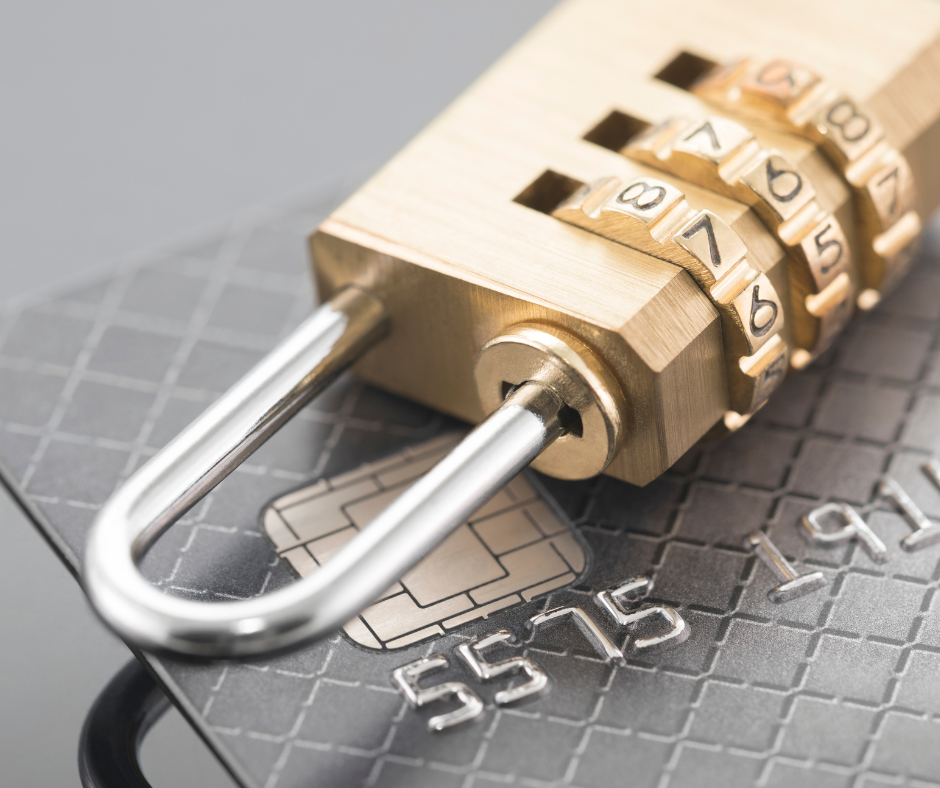
But what does this actually mean? And more importantly, how could it affect your finances?
If you’ve ever faced challenges getting approved for credit, building your credit history, or selecting a card suited to your financial needs, grasping this distinction is essential. Picking the wrong card might result in extra fees or missed chances to improve your credit standing.
This article will guide you through everything you need to know.
How do secured and unsecured credit cards differ?
Essentially, both secured and unsecured credit cards allow you to borrow money up to a set limit and repay it later. The key differences lie in how you qualify for them and how they operate.
What are secured credit cards?
With a secured credit card, you provide a refundable security deposit upfront. This deposit usually sets your credit limit—so a $300 deposit generally means your limit is $300.
These cards tend to be aimed at people new to credit or those rebuilding poor credit. Because the deposit reduces the lender’s risk, approval is often easier to obtain under these circumstances.
Understanding unsecured credit cards
Unlike secured cards, unsecured credit cards don’t ask for a security deposit upfront. Approval depends largely on your credit report, income, and overall financial standing. These are the standard cards most people recognize.
When your credit rating is good or excellent, unsecured cards often provide higher credit limits along with perks such as cashback, rewards points, or travel incentives.

Credit card
Travel credit cards
Are annual fees worth it?
LEARN MORE * You will remain on the current websiteAdvantages and drawbacks: which card suits you best?
Grasping the differences between secured and unsecured credit cards goes beyond just definitions. It’s about finding the option that matches your financial objectives and current circumstances.
Secured Credit Cards
Advantages
- Approval is simpler for those with no or poor credit
- Supports building or repairing your credit history
- Typically reports to the main credit bureaus
Disadvantages
- Requires an initial security deposit
- Credit limits are generally lower than those of unsecured cards
- Offers fewer rewards and perks

Credit card
How do credit cards work?
A beginner’s guide to fees, APR, and rewards.
LEARN MORE * You will remain on the current websiteUnsecured Credit Cards
Advantages
- No upfront deposit required
- Potential for higher credit limits
- Eligibility for rewards, cashback, or travel benefits
Drawbacks
- Difficult to get approved with limited or poor credit
- Higher interest rates if credit history is weak
- Possible fees depending on the specific card
How to choose between secured and unsecured cards?
To decide between secured and unsecured credit cards, consider asking yourself these questions:
- Do I already have an established credit record?
- Am I able to put down a security deposit now?
- Is my main goal to build credit, or to get better perks and higher limits?
If your credit history is limited or has taken a hit, a secured credit card can be a useful first step. It allows you to prove responsible credit management, which can often lead to eligibility for unsecured cards down the road.
Conversely, if your credit history is already solid, an unsecured credit card might provide greater perks and more flexibility.
Secured vs unsecured credit cards: which one suits you best?
There isn’t a one-size-fits-all answer when it comes to choosing between secured and unsecured credit cards. Your decision hinges on your financial status, immediate priorities, and long-range credit ambitions.
Each type of card can be valuable for managing your money and improving your credit health. The important part is to recognize their distinctions, consider their advantages and drawbacks, and pick the one that aligns best with your current needs.