
Common credit card errors that trap you in debt and tips to prevent them
Mistakes with credit cards can quickly cause crushing debt, soaring interest charges, and financial anxiety.
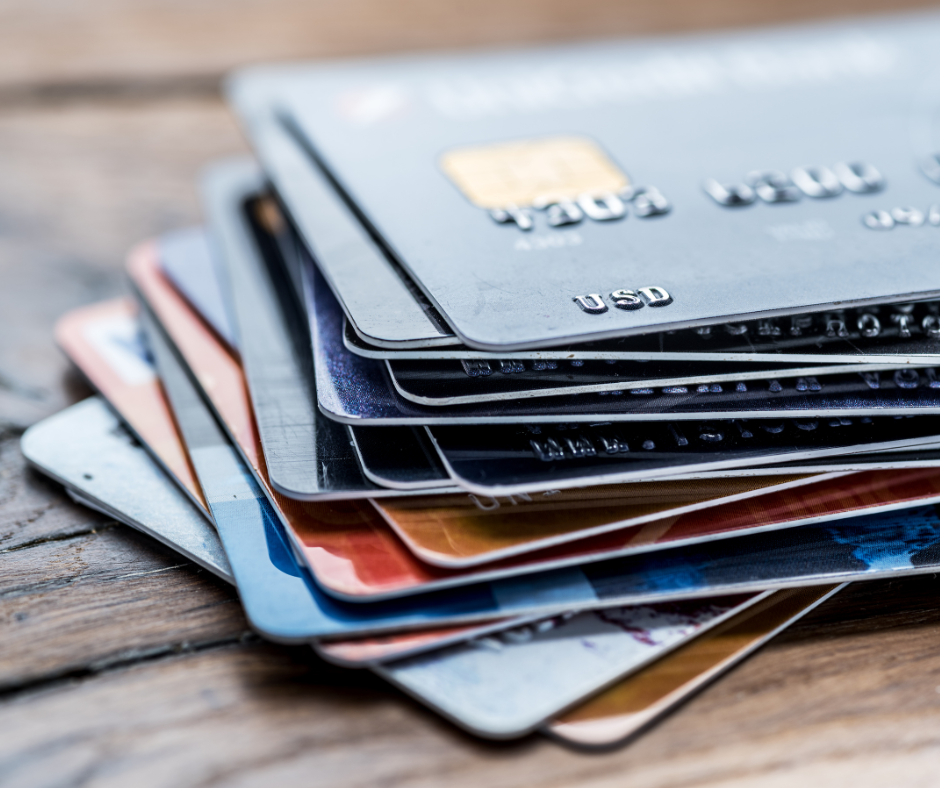
Using a credit card offers a handy way to handle expenses, build your credit record, and tap into short-term cash. Yet, many fall into familiar pitfalls without realizing how harmful these patterns can be.
If it feels like your credit card balance never drops, no matter how much you pay off, you’re definitely not the only one.
5 common credit card errors
Let’s explore the top mistakes people make with credit cards—and more importantly, how to steer clear of them.
1. Paying only the minimum amount due
One frequent error with credit cards is making just the minimum payment each month. Although this keeps your account active, it barely lowers your debt. Most of that payment usually covers interest charges instead of reducing your principal balance.
How to avoid it: try to pay more than the minimum whenever you can. Even small extra amounts help lower your balance quicker and save you a lot on interest over time.
Credit card
Cash Back vs. Points
How to pick the best rewards system
LEARN MORE * You will remain on the current website2. Overlooking the interest rate
It’s easy to use your card without thinking about how interest increases the actual cost of your purchase. Many people overlook their card’s annual percentage rate (APR), which can vary widely from 15% up to more than 30%, depending on your credit history.
How to avoid it: regularly review your card’s APR. Focus on paying down balances with the highest interest rates first. If you can, transfer your balance to a card with a lower APR or a 0% introductory rate, but be sure to check for any transfer fees before doing so.
3. Maxing out your credit card limit
Using too much of your available credit, known as high credit utilization, can hurt your credit score and suggest to lenders that you’re struggling financially. It also reduces your cushion for unexpected expenses.
How to avoid it: aim to keep your credit use under 30% of your overall credit limit. For instance, if your credit limit is $3,000, try to keep your balance below $900.
4. Overlooking payment deadlines
Even being a day late on a payment can trigger late fees, higher penalty interest rates, and damage your credit score. This is one of the most expensive mistakes cardholders make.
How to avoid it: use automatic payments or set calendar alerts to make sure you never miss a payment date.

Credit card
Balance Transfers Explained
When they help and when they hurt
LEARN MORE * You will remain on the current website5. Using credit cards for everyday spending without a strategy
Using your credit card for everyday items like groceries, fuel, and dining out is tempting, especially with rewards incentives. However, if you don’t pay off your balance in full each month, those small expenses can quickly become overwhelming debt.
How to avoid it: limit your credit card use to purchases you can pay off immediately. If you’re depending on it to cover day-to-day costs, it’s a sign you need to take a closer look at your budget.
How to break free from common credit card errors
Getting trapped in debt doesn’t happen suddenly. It usually builds from a series of small credit card missteps over time. The encouraging part is that recognizing these mistakes is the crucial first step to preventing them.
By carefully managing your card usage—keeping up with payments, monitoring balances, and understanding your interest rates—you can make credit work for you instead of weighing you down.
Ready to regain control of your money? Begin by fixing these habits now.