
Solar Power: Can It Truly Lower Your Electricity Costs?
More and more people are discussing solar energy as a way to lower their regular home expenses.
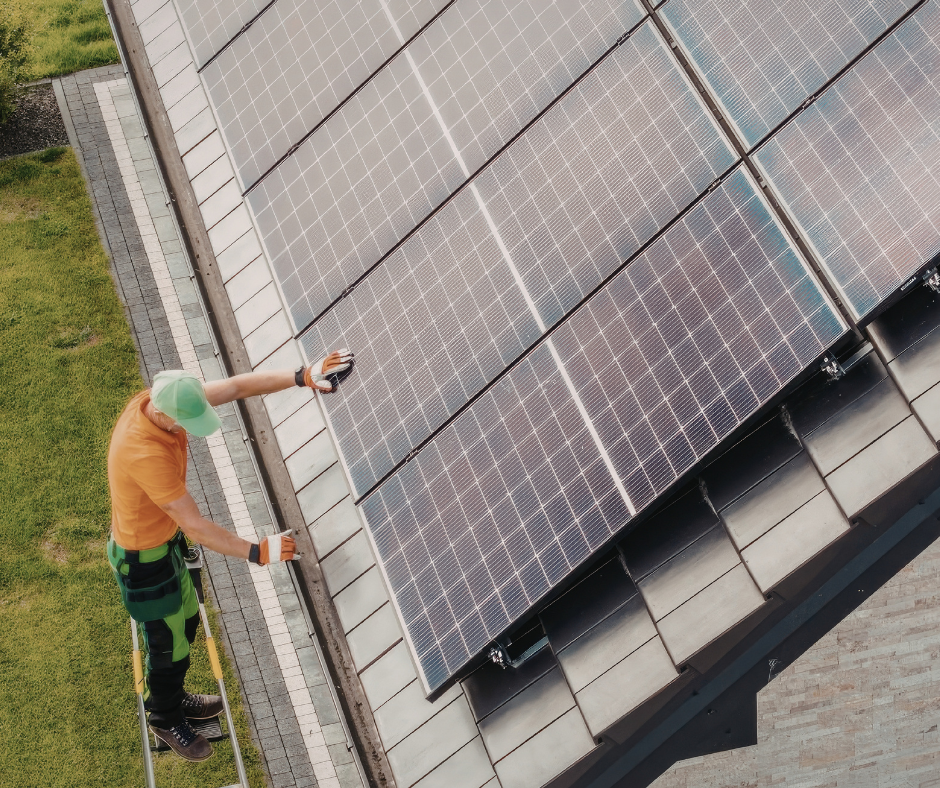
With rising electricity costs squeezing monthly budgets—especially for those with tight finances—solar power often appears as a potential solution to cut spending.
Still, before jumping into this kind of purchase, it’s crucial to understand how solar energy operates in daily life and what real financial benefits it might bring.
How does solar energy function in everyday life?
Solar power is generated through panels typically mounted on rooftops. These panels absorb sunlight and transform it into electricity, reducing your dependence on conventional grid electricity and potentially lowering your utility costs.
In reality, solar energy systems don’t completely wipe out your electricity bill. This is because minimum fees and utility charges still apply. That said, depending on your energy usage and the system you have, you could see a noticeable decrease in costs over time.
Moreover, the system’s effectiveness relies on factors like where you live, how much sunlight your panels receive, and how well the system is maintained. In short, solar energy isn’t a miracle fix but an option that needs thoughtful consideration.
Financial education
How to negotiate a lower APR
on your credit card?
LEARN MORE * You will remain on the current websiteUpfront costs: the biggest hurdle
Now we reach the aspect that concerns most people the most: the initial expense.
Setting up a solar energy system demands a significant upfront cost. Even though financing options exist, this is still a choice that requires careful consideration—especially for those facing debt or credit challenges.
Conversely, some view it as a long-term payoff. The concept is straightforward: invest more now to lower your fixed expenses down the road. Still, it’s crucial to verify whether this approach aligns with your current financial situation.
Real savings: what you need to know?
Many people expect instant savings when they consider solar energy. But it’s important to set realistic expectations.
While your electricity bill can decrease, financial gains usually aren’t immediate. That’s because recouping the initial cost takes time, which varies based on factors like:
- Energy usage at home
- Electricity costs prior to installation
- Loan terms, if financing is involved
- Variations in energy pricing
Unexpected expenses may also occur, like upkeep or replacing parts over time. That’s why it’s important to carefully calculate costs and, when possible, test different scenarios before deciding.

Financial education
How to spot predatory lending practices?
7 warning signs
LEARN MORE * You will remain on the current websiteEffective savings begin with informed decisions
Solar power can lower your energy expenses—but this depends on multiple factors, especially your personal finances.
Instead of looking for quick solutions, the safest approach is to make well-informed choices. What seems like savings in theory doesn’t always translate to real-world benefits, especially when budgets are tight.
Before committing to any investment, carefully evaluate your current financial habits. Cutting back on waste, tweaking daily routines, and managing your budget remain crucial—and often easier—steps for anyone aiming to reduce monthly expenses.